

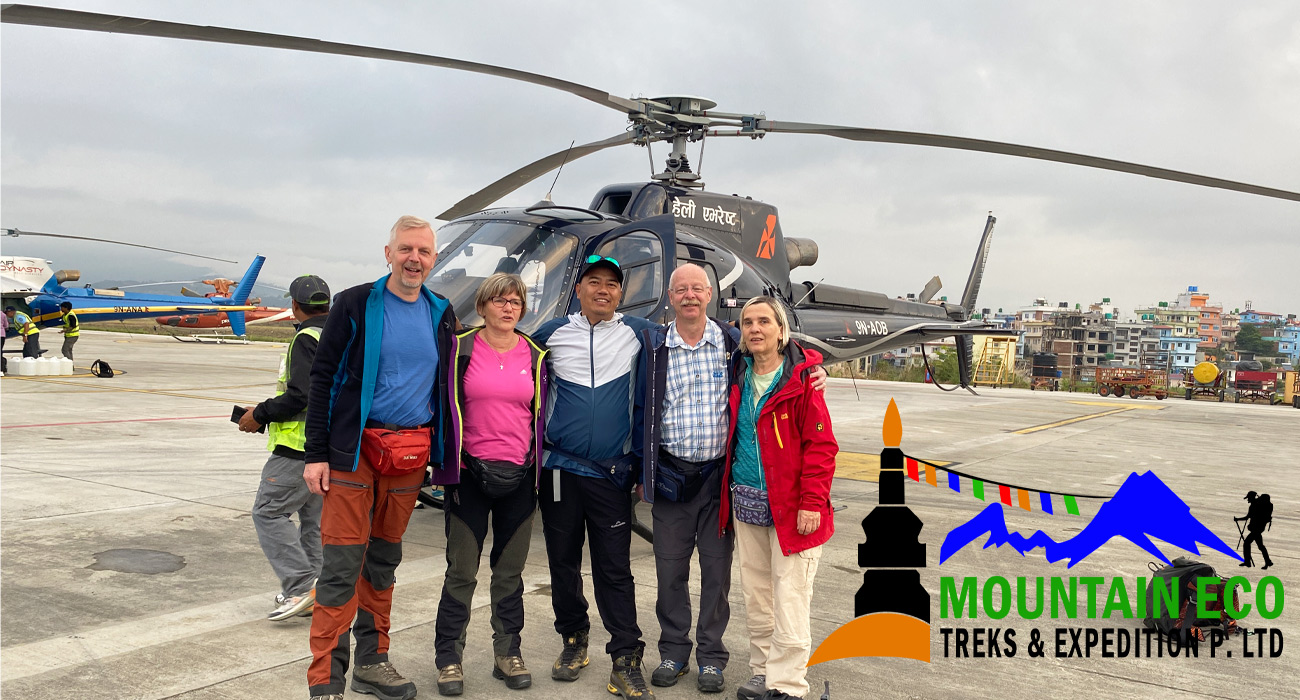
 A trek to Everest Base Camp is made up of many small decisions.
When should you rest? What should you carry? How much should you walk? When should you stop for the day? How should you behave around local people and mountain animals?
These choices may seem minor at home. In the Himalayas, they can have a big effect on your experience.
The Everest Base Camp Trek With Helicopter Return gives travelers a chance to enjoy the classic trail while ending the trip by air. But a good experience depends on more than the route itself. The way you approach each day matters just as much.
Start With a Light Bag
A heavy backpack can turn a beautiful trail into a tiring one.
You do not need to bring everything you might possibly use. Focus on things that serve a real purpose during the trek.
Carry What You Will Actually Use
Warm clothing, comfortable walking gear, water, sun protection, personal items, and basic medicines are more useful than a bag full of unnecessary extras.
Before leaving home, look at every item and ask one simple question:
Will I really need this in the mountains?
If the answer is no, leave it behind.
A lighter bag means less strain during long uphill sections.
Choose Comfort Over Appearance
Trekking is not the place to test new shoes or wear clothing simply because it looks good in photographs.
Your feet will do most of the work.
Break In Your Shoes Before the Trip
Wear your trekking shoes during training walks before arriving in Nepal.
This gives you time to discover whether they rub, pinch, or cause discomfort.
The same idea applies to socks and other walking gear. If something feels wrong during a short walk at home, it is unlikely to feel better after several hours on a mountain trail.
Comfort should come first.
Learn to Read Your Own Energy
A trekking day does not always feel the same from morning to afternoon.
You may start full of energy and then feel tired after a long climb.
That is normal.
Do Not Spend All Your Energy Early
Walking too quickly at the beginning can leave you struggling later.
Find a pace that feels sustainable. Short breaks can help you recover before exhaustion sets in.
The goal is to keep moving without constantly pushing yourself to the limit.
This becomes even more important as the altitude increases.
Respect the Order of the Trail
The Everest route can become busy in popular sections.
Trekkers, guides, porters, and pack animals may all be using the same narrow path.
Give Way When the Trail Gets Tight
If the trail becomes narrow, be aware of who is around you.
Do not stop suddenly in the middle of the path for a photograph. Move to a safe place before taking a break.
When animals are approaching, give them enough space to pass.
Good trail manners make the route safer and more pleasant for everyone.
Understand That Altitude Changes the Rules
A person who is fit at sea level can still struggle at high altitude.
The thin air affects how your body performs.
You may breathe harder, tire faster, or need more time to complete a climb.
Fitness Helps, but It Is Not Everything
Training before the trek is useful, especially for your legs and endurance.
But fitness cannot replace acclimatization.
Give your body time to adjust and follow the planned schedule. If you develop concerning symptoms, tell your guide instead of hiding them because you want to continue.
Being cautious is not weakness.
It is good mountain judgment.
Keep Your Mornings Simple
A complicated morning routine is not necessary on the trail.
Wake up, get dressed, eat, organize your bag, and prepare for the day’s walk.
The simpler your routine becomes, the easier it is to start each day.
Prepare Before Going to Sleep
Keep tomorrow’s clothes and important items easy to reach.
Charge your devices when power is available. Refill your water bottle. Check the weather and organize your backpack.
These small habits save time in the morning.
They also reduce the chance of forgetting something important.
Spend Money Where It Helps Local People
The Everest region depends heavily on tourism.
Travelers can support local communities by using local tea houses, shops, guides, and services when practical.
Buy Locally When You Can
A meal at a local lodge or a small purchase from a village shop may seem insignificant.
For mountain communities, however, many small transactions add up.
Responsible travel is not about spending as much money as possible. It is about understanding that your choices can support the people who live along the route.
Treat Cultural Sites With Care
You will encounter Buddhist traditions throughout the Everest region.
Prayer flags, mani stones, prayer wheels, monasteries, and other religious features are part of the local culture.
Observe Before You Act
If you are unsure what to do at a religious site, watch what local people do or ask your guide.
Do not climb on religious structures for photographs. Avoid touching objects unnecessarily.
You can enjoy the culture without treating it like a stage set.
That simple level of respect can make your visit more meaningful.
Save Your Attention for the Trail
Phones and cameras are useful, but they can also distract you.
A steep section of trail is not the place to walk while staring at a screen.
Take Photos, Then Put the Camera Away
Stop safely when you want a photograph.
Look at the view without a lens between you and the mountains sometimes.
You may remember the feeling of a place more clearly than the image you took there.
The Himalayas deserve your attention, not just your camera storage.
Know What the Helicopter Changes
The Everest Base Camp Trek With Helicopter Return does not remove the walking challenge.
You still need to complete the route to Base Camp.
What changes is what happens afterward.
The Return Does Not Need to Repeat the Same Story
Walking back through the same valleys can take several more days.
The helicopter provides a faster alternative when weather and flight conditions allow.
Instead of repeating the route, you can see it from a completely different position.
The change can make the final stage feel fresh rather than repetitive.
Keep a Backup Plan in Your Head
Mountain travel does not always follow a fixed timetable.
A helicopter may not operate exactly when expected if conditions are unsuitable.
That possibility should not ruin your plans. It should simply be part of your planning.
Flexibility Is a Travel Skill
Keep some spare time around important connections.
If a flight is delayed because of weather, having a buffer can prevent one delay from turning into a much larger problem.
Good planning is not about expecting perfection.
It is about being ready when conditions change.
The Best Trek Is the One You Handle Well
The Everest Base Camp Trek With Helicopter Return is often described through its famous destination and dramatic mountains. But the quality of the journey is shaped by much smaller choices.
A light bag. Comfortable shoes. A steady pace. Respect for local culture. Attention to altitude. Patience when plans change.
None of these things sounds dramatic, yet together they can turn a difficult trek into a much better experience.
You walk to Everest Base Camp because you want to experience the mountains firsthand. Then, when conditions allow, the helicopter gives you a quicker way out and a final look at the landscape from above.
The biggest lesson is simple: do not rush the experience. Make smart choices, respect the environment, listen to your body, and give yourself enough time to enjoy the journey.
Frequently Asked Questions
Should I train before an Everest Base Camp trek?
Yes. Regular walking, hiking, stair climbing, and endurance training can help prepare your body for long days on uneven terrain.
How heavy should my trekking bag be?
There is no single ideal weight for everyone, but carrying only useful essentials can make the trek much more comfortable.
Can I use my phone while trekking?
Yes, but use it carefully. Stop in a safe place before taking photographs or checking your phone on narrow or steep sections.
Why is flexibility important for the helicopter return?
Mountain weather can change quickly. Flight operations depend on safe conditions, so delays are possible.
Does a helicopter return make the trek easy?
No. You still have to walk to Everest Base Camp. The helicopter mainly changes the return portion of the journey.
